






Innovations Reshaping Third-Party Food Safety Audits in Hospitality
Third-party food safety audits in hospitality no longer rely solely on paper checklists and manual inspections. Digital HACCP, IoT food safety sensors, and AI risk assessment food safety tools are reshaping how audits verify compliance and protect guests. You’ll learn how remote audits hospitality and hybrid audits bring flexibility without sacrificing rigor, while compliance dashboards hospitality deliver clear insights for decision makers. Keep reading to see how these advances help your team stay ahead of regulations and brand standards. For more information, visit here.
Digital Innovations in Food Safety Audits
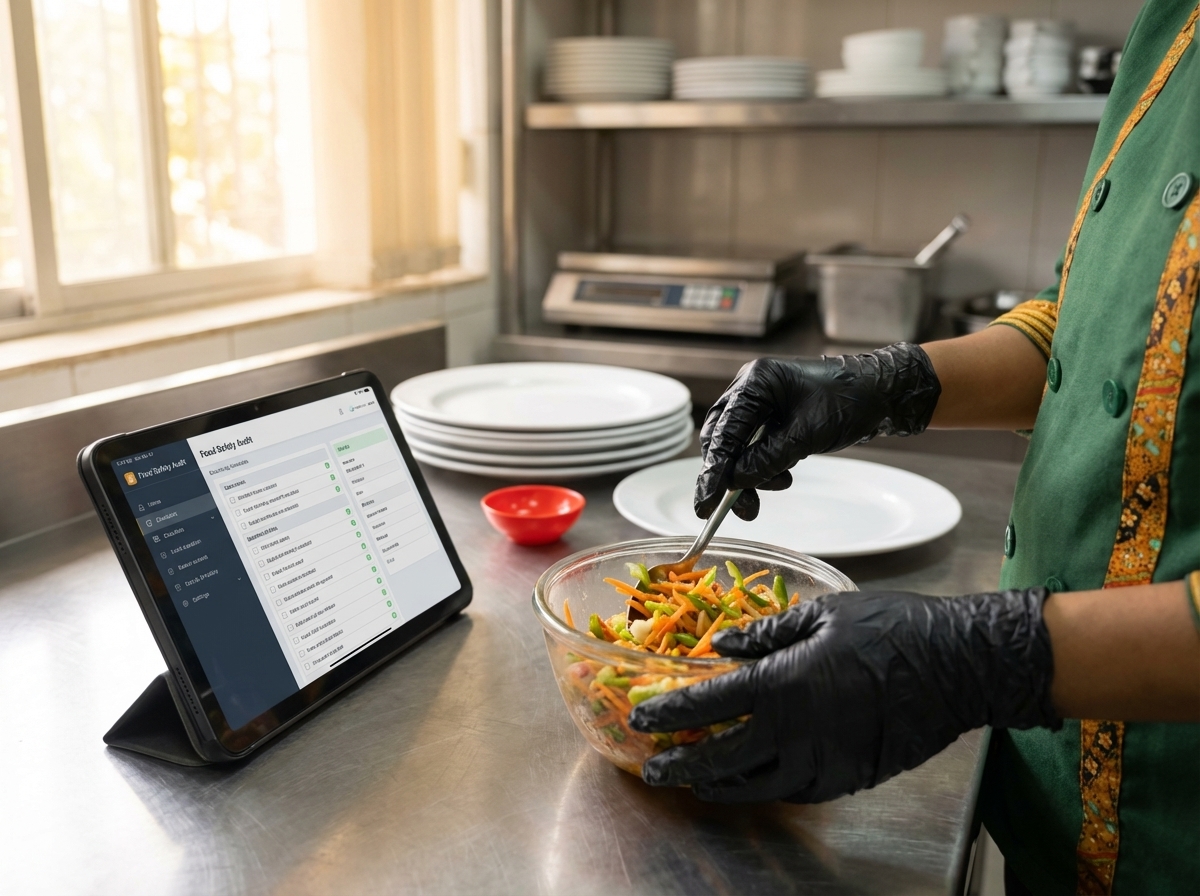
The landscape of food safety audits is rapidly changing. As technology integrates into daily operations, digital tools redefine how audits are conducted. Let’s explore some cutting-edge advancements leading this transformation.
Digital HACCP and Mobile Tools
Digital HACCP systems are changing the game in food safety compliance. With mobile tools, you can manage hazards more efficiently. Imagine having instant access to critical control points and corrective actions on your smartphone. This means quicker responses and fewer errors.
These tools help streamline processes and save time. No more sifting through paperwork; everything is digitally logged and accessible. This approach not only supports compliance but also enhances overall operational quality. Explore more about such innovations here.
IoT Sensors for Compliance
IoT sensors are revolutionizing compliance in food safety. These devices monitor temperature, humidity, and other critical factors in real-time. The benefit? Immediate alerts when conditions deviate from the norm. This proactive approach reduces risk and ensures guest safety.
Consider a scenario where a walk-in freezer malfunctions overnight. IoT sensors detect the issue, send an alert, and prevent potential spoilage. This not only maintains compliance but also significantly cuts down on waste. Get deeper insights from this source.
AI Risk Assessment in Hospitality
AI technology is now a vital part of risk assessments. This tool analyzes data patterns to predict potential hazards before they occur. By identifying risks early, you can take action to prevent incidents.
Imagine having AI that forecasts a spike in foodborne illnesses due to seasonal changes. This foresight allows you to adjust operations proactively, safeguarding both your guests and your brand reputation. Learn more about the future of food safety auditing here.
Hybrid Audits and Remote Strategies
Building on digital advancements, hybrid and remote strategies offer new flexibility in audits. This approach ensures comprehensive analysis while minimizing disruption to daily operations.
Remote Audits for Hospitality
Remote audits offer a practical solution in today’s dynamic environment. By leveraging video calls and digital documentation, audits can be conducted without being physically present. This reduces travel costs and time.
Remote audits provide a level of flexibility that is unmatched. You can schedule them at times that are least disruptive to operations, ensuring minimal impact on your business flow.
Hybrid Audits: Reducing Disruption
Hybrid audits blend on-site and remote methods. This approach maintains thoroughness and efficiency. On-site auditors focus on tasks that require physical presence, while digital tools handle documentation and reporting.
This combination minimizes operational interruptions and maximizes audit effectiveness. Most people think audits must be disruptive, but hybrid methods prove otherwise.
Executive Reporting and Dashboards
New executive dashboards deliver clear insights into compliance status. These tools consolidate data into easy-to-understand formats, aiding decision-making. You can quickly identify trends and adjust strategies accordingly.
Imagine having a dashboard that highlights areas needing improvement at a glance. This empowers you to make informed decisions quickly. For further reading, check out this article on future trends in food safety.
Strengthening Allergen Management
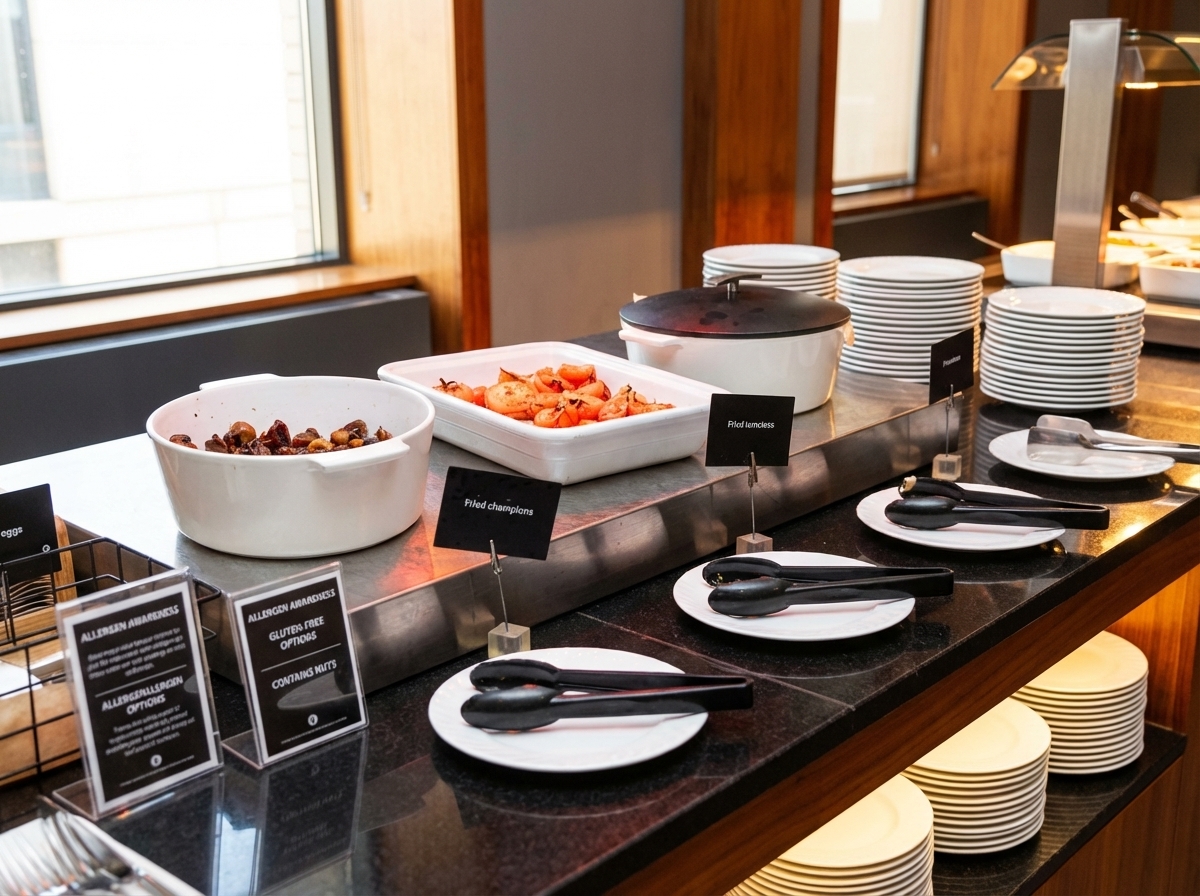
Allergen management is critical in hospitality, where diverse guest preferences and allergies must be considered. Enhanced practices ensure safety and satisfaction.
Allergen Management Audit Practices
Audits focusing on allergen management ensure that all protocols are followed correctly. These audits verify that your team is trained and procedures are in place to handle allergens safely.
Real-life stories highlight the importance of these practices. A successful audit shows guests that their safety is your priority, enhancing trust and reputation.
Supplier Assurance in Hospitality
Ensuring suppliers adhere to safety standards is crucial. Supplier audits verify that your partners meet compliance requirements. This step is vital in maintaining safety throughout the supply chain.
Regular supplier checks prevent potential risks before they reach your kitchen. This proactive approach builds a safety net around your operations.
Compliance Mapping and Brand Standards
Compliance mapping aligns your operations with brand standards. This ensures consistency and excellence across all touchpoints. With detailed mapping, you can identify gaps and take corrective actions swiftly.
In the world of hospitality, maintaining brand integrity is vital. Consistency in meeting standards enhances guest experience and builds loyalty.
These innovations and strategies not only meet regulatory requirements but also elevate the quality of services provided to guests. By adopting these tools and practices, you position your brand as a leader in food safety and operational excellence.