






The Definitive Food Safety Audit Checklist for Hospitality: Prepare with Confidence for Regulatory Review
You’ve prepared your kitchen, trained your team, and reviewed every process. Yet, the looming hospitality regulatory review still feels daunting. A detailed food safety audit checklist tailored for your operation can reduce risk and secure HACCP compliance with precision. This guide lays out every critical step, helping you meet FSANZ standards confidently while positioning Audit & Co as your trusted partner in pre-inspection audits and corrective action planning. Learn more about food safety audits here.
Comprehensive Food Safety Audit Checklist

A comprehensive audit begins with thorough documentation. Ensuring you have all your records in order will set the foundation for success in your food safety journey.
Key Documentation Control Measures
Good record-keeping builds trust and clarity. To start, ensure that you have accurate and up-to-date records for all processes. This means logging every detail, from ingredient sourcing to final food preparation. Accurate documentation assists in tracing any issues back to their source, making it vital in maintaining operational integrity.
In your daily operations, reliable documentation helps track compliance with safety protocols. This includes maintaining logs for temperature checks, equipment maintenance, and cleaning schedules. 90% of successful audits begin with well-organized records. This not only streamlines the audit process but also boosts confidence in your practices.
HACCP Plan Verification Steps
HACCP plans are your roadmap to food safety. Begin with a detailed review of potential hazards. Identify every point in your process where these hazards could occur, and determine effective controls. Regularly verify that these controls are in place and working correctly.
Verification involves checking records and observing operations to confirm compliance. A well-structured HACCP plan reduces the risk of food safety incidents. Most businesses find that frequent internal checks help maintain high standards. Remember, a proactive approach keeps your team alert and your operation smooth.
Allergen Risk Management Strategies
Managing allergens is crucial in any food service environment. Start by identifying all possible allergens present in your ingredients. Ensure clear labeling and communication with your staff and customers to prevent accidental exposure.
Training your staff to recognize and handle allergens safely is essential. Encourage open dialogue about ingredient changes or potential cross-contact scenarios. Proper training can reduce risk significantly, making your establishment safer for everyone. Keep your allergen management strategies at the forefront of your operations; the safety of your guests depends on it.
Strengthening Compliance and Reducing Risks
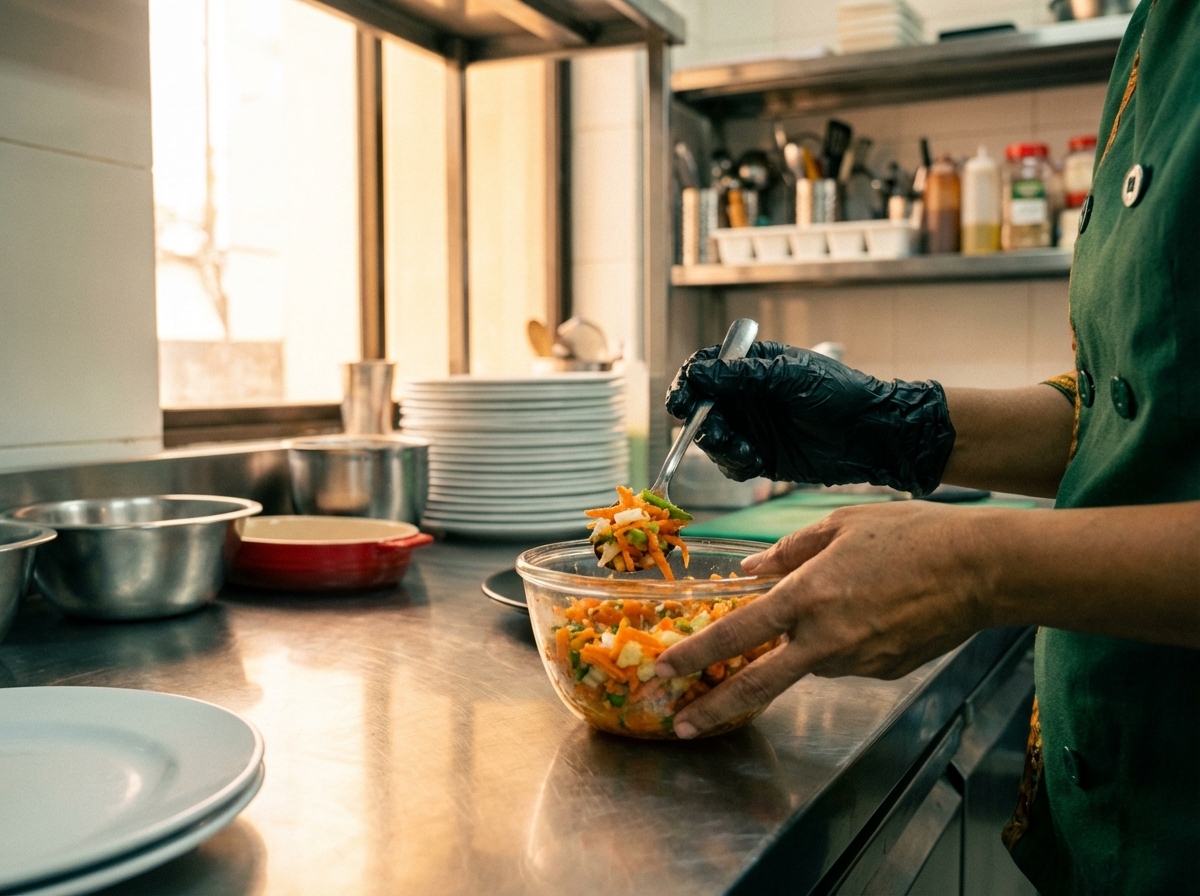
With documentation and safety plans in place, it’s time to focus on compliance and risk reduction. Consistent and thorough checks will help you maintain a strong safety record.
Supplier Approval and Monitoring
Choosing the right suppliers is key to ensuring food quality. Establish a robust approval process to vet suppliers before engaging them. This means looking at their safety records, conducting site visits, and checking references. Regular monitoring ensures that suppliers maintain high standards over time.
Create a schedule for regular supplier assessments. Keep detailed records of each review to track performance. A trustworthy supplier relationship ensures a consistent supply of safe ingredients, which is essential for maintaining quality. Your diligence in supplier management builds a reliable supply chain.
Temperature Control and Monitoring Logs
Temperature control is critical in preventing foodborne illnesses. Implement a system for regular temperature checks of storage areas and food items. Consistently record these temperatures to ensure compliance with safety standards.
Utilizing technology, such as digital thermometers and automated logging systems, can make monitoring easier and more accurate. 80% of food safety breaches involve poor temperature control. Ensure that staff understand the importance of these logs and are trained to take corrective action if needed.
Effective Cleaning and Sanitation Protocols
Cleanliness is the cornerstone of any food safety program. Develop a comprehensive cleaning schedule that includes all areas of your operation. Regularly train staff on proper sanitation techniques to maintain a clean environment.
Ensure that cleaning products and tools are readily available and used correctly. Frequent checks and audits of cleaning practices will help identify areas for improvement. Adhering to strict protocols minimizes contamination risks and boosts confidence in your facility’s safety standards.
Positioning for Regulatory Success
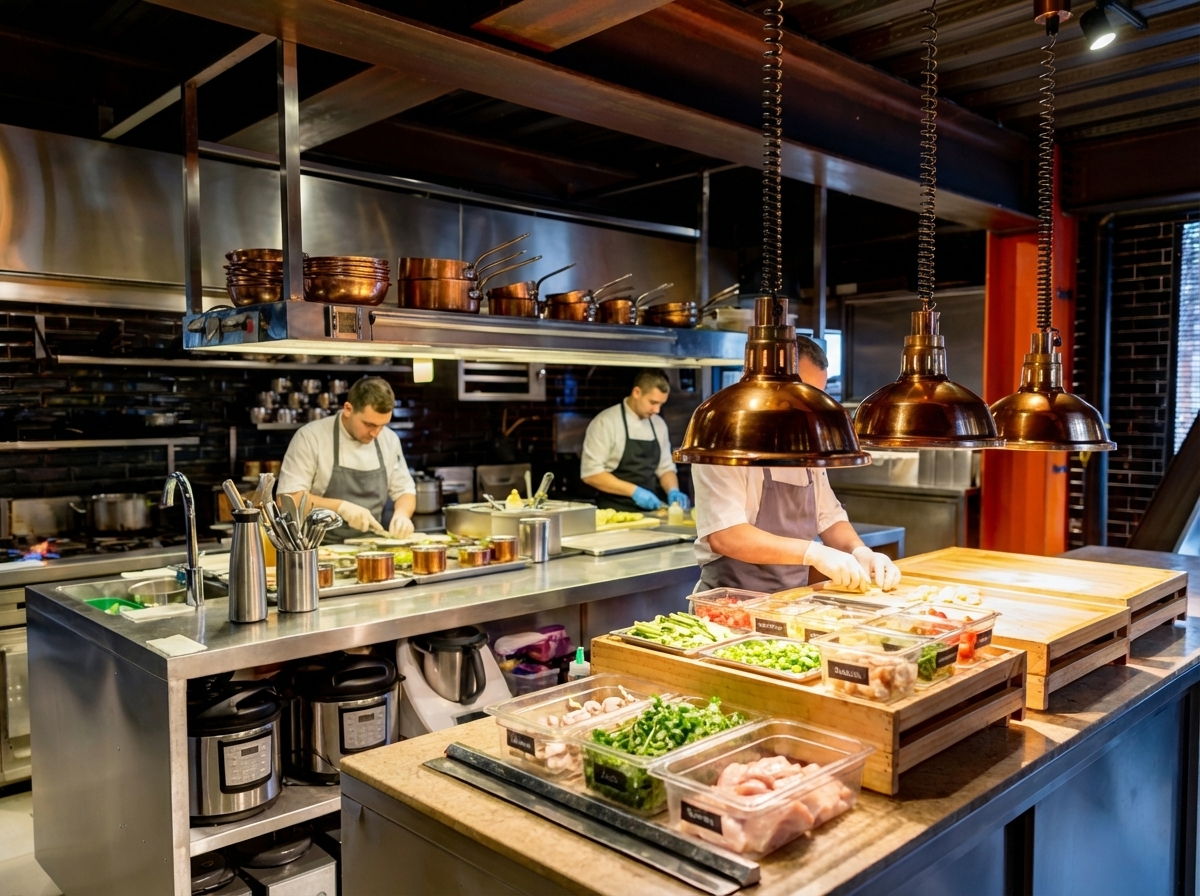
Preparation is key when aiming for regulatory success. By rehearsing and planning ahead, you’ll be ready for any inspection.
Mock Inspection and Readiness
Conducting mock inspections can prepare your team for real reviews. Simulate the inspection process to identify potential issues beforehand. Encourage staff to treat these mock inspections seriously, as they provide valuable practice for the real thing.
Use findings from mock inspections to make necessary improvements. This proactive approach helps assure compliance when the actual inspection occurs. Being prepared not only reduces stress but also demonstrates your commitment to high standards.
Corrective Action Planning
Mistakes happen, but having a corrective action plan minimizes their impact. Develop a clear process for addressing issues as they arise. This should involve identifying the root cause, implementing solutions, and documenting the entire process.
Regularly review your corrective action plans to ensure they remain effective. Adapt them as your operation evolves to maintain relevance. This preparedness showcases your ability to handle challenges efficiently and maintain safety standards.
Training Records and Brand Standards Compliance
Training is a continuous process that ensures your team is always ready. Maintain detailed records of all training sessions, including dates, attendees, and topics covered. Regular updates and refresher courses keep skills sharp and knowledge current.
Align your training programs with your brand standards to ensure consistency across all levels. This alignment supports your reputation for excellence and commitment to quality. Keeping thorough training records demonstrates your dedication to high standards and compliance.
By implementing these strategies, you can confidently face any regulatory review. Remember, preparation and consistency are your greatest allies in maintaining a safe, compliant, and successful hospitality operation.