






Third-party food safety audits in Australia are not just a regulatory tick-box—they are essential for protecting your guests and your brand. With FSANZ Standard 3.2.2A compliance at stake, missing critical pre-audit checks can lead to costly setbacks and risks. In this guide, you’ll learn exactly what to review before your next food safety audit Australia cycle to stay ahead of compliance and safeguard your operation.
Understanding Third‑Party Food Safety Audits
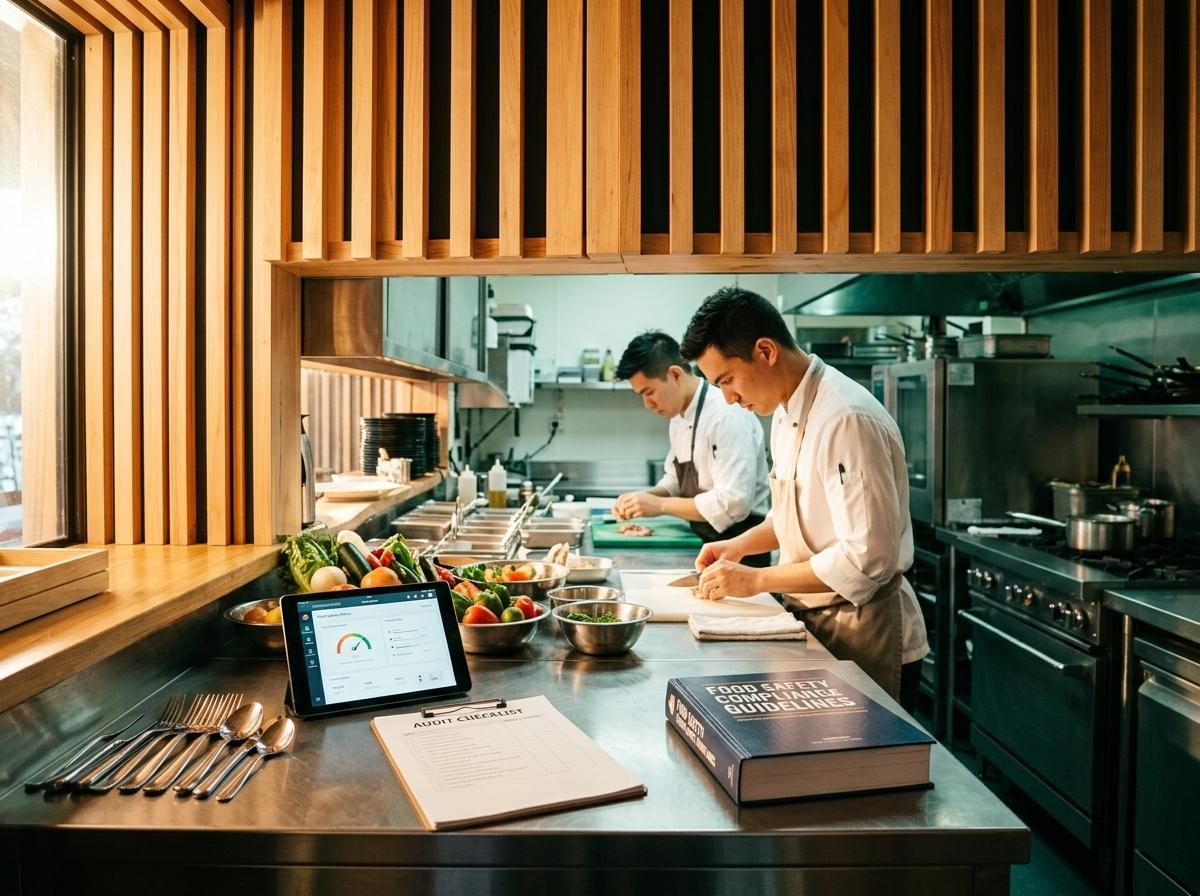
To protect your business and your guests, understanding the importance of third-party food safety audits is crucial. These audits go beyond simple compliance checks, offering insights to enhance your operations.
Importance of Third‑Party Audits
Third-party audits provide an independent assessment of your food safety practices. They are not just about passing regulations, but about maintaining high standards. By having an external expert review your systems, you ensure that potential risks are identified before they become issues. This proactive approach can save time, money, and most importantly, your business’s reputation.
Role of FSANZ Standard 3.2.2A
FSANZ Standard 3.2.2A plays a significant role in shaping food safety requirements in Australia. It sets the guidelines that ensure food businesses operate safely and hygienically. Adhering to this standard is not optional, but a mandatory requirement. Regular audits aligned with this standard help your business remain compliant and protect public health.
Audit & Co: Your Trusted Partner
Choosing the right partner for your food safety audits is essential. Audit & Co stands out as a trusted, Ministry of Health-approved auditor. With extensive experience, they offer independent audits that align with both local regulations and industry best practices. By partnering with Audit & Co, you gain not only compliance but also valuable insights to improve your operations.
Key Pre‑Audit Checks for Compliance

Preparing for an audit involves more than just a checklist. It’s about understanding your systems and ensuring they meet required standards. Let’s explore the key areas to focus on.
Reviewing Food Safety Programs
Your Food Safety Program is the backbone of your operations. It outlines the processes and procedures your business follows to ensure food safety. Regular reviews of this program are vital. Ensuring it is up to date with current regulations and practices is crucial. This not only helps in passing audits but also in maintaining a high standard of safety on a daily basis.
Supplier Approval and Traceability
Knowing where your ingredients come from is just as important as how you handle them. Supplier approval processes and traceability systems are essential components of food safety. They ensure that you can trace products back to their source in case of an issue. Regularly verifying your suppliers’ compliance with safety standards protects your business and builds trust with your customers.
Temperature Control and Monitoring
Temperature control is a fundamental aspect of food safety. Keeping accurate records of temperature logs ensures that food is stored and prepared at safe temperatures. Implementing a probe calibration schedule is also important for maintaining accuracy. These checks are critical in preventing foodborne illnesses and ensuring the integrity of your products.
Effective Audit Preparation Strategies
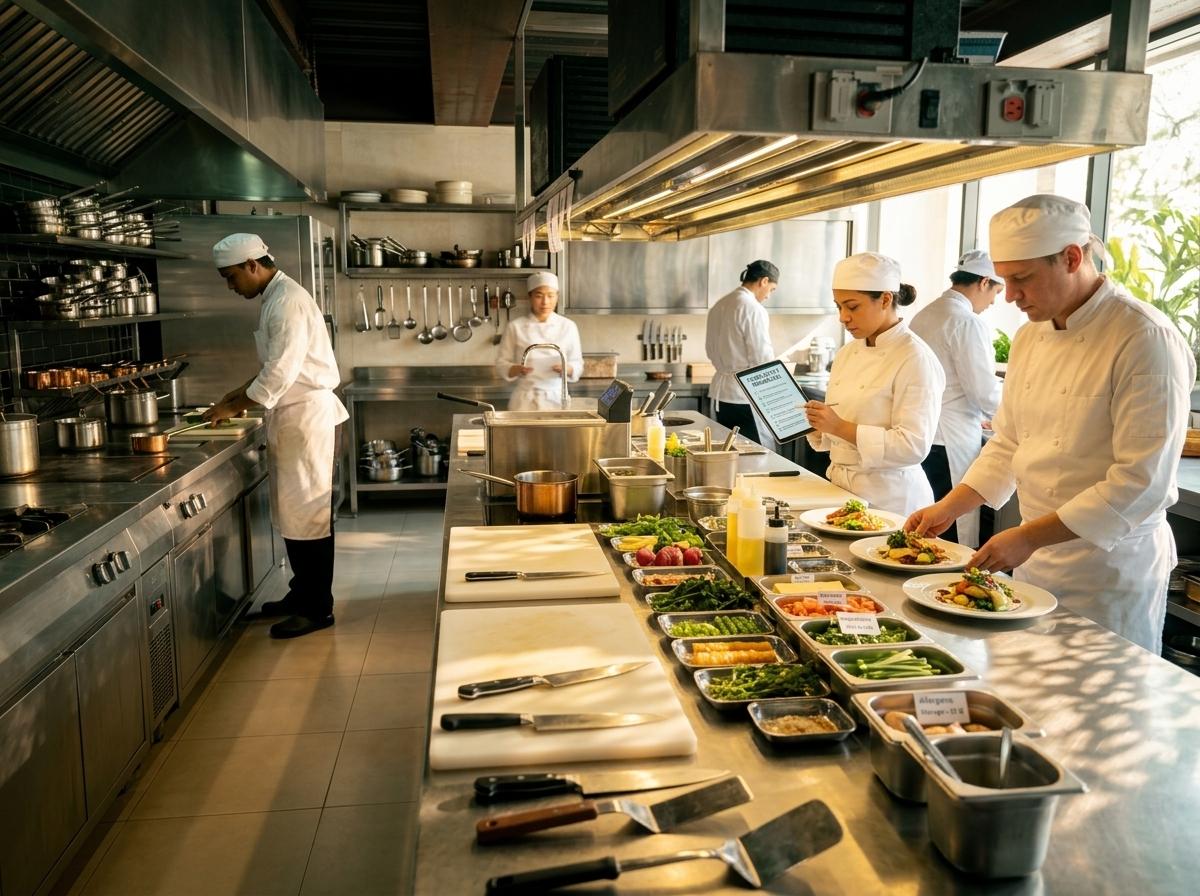
With your pre-audit checks in place, preparation is the next step. Effective strategies ensure your operations are audit-ready and compliant with all standards.
Cleaning and Sanitation Verification
A clean environment is non-negotiable in food safety. Regular verification of your cleaning and sanitation processes helps maintain a safe workspace. This includes daily cleaning schedules, checks for sanitation effectiveness, and documented evidence of cleaning activities. Proper equipment and surface sanitation protect against contamination and support audit readiness.
Allergen Management Practices
Allergen management is a critical component of food safety. Clear, effective practices prevent cross-contamination and protect customers with allergies. This includes thorough ingredient checks, clear labelling, and staff training on allergen handling. Implementing these practices helps ensure your establishment is safe and compliant.
Maintaining Food Safety Records
Keeping comprehensive food safety records is crucial for both daily operations and audits. These records provide evidence of compliance and help identify areas for improvement. Regular review and updating of documentation ensure that your records are accurate and complete. This not only aids in passing audits but also in maintaining ongoing compliance.
Frequently Asked Questions
What is the importance of third-party food safety audits?
Third-party audits provide an independent assessment of food safety practices, helping identify potential risks and ensuring compliance with regulations.
How does FSANZ Standard 3.2.2A affect food businesses?
FSANZ Standard 3.2.2A sets mandatory guidelines for food safety, ensuring businesses operate safely and hygienically.
What should I focus on when preparing for a food safety audit?
Key areas include reviewing your Food Safety Program, ensuring supplier approval and traceability, and maintaining temperature control and monitoring logs.
Why is allergen management important in food safety?
Allergen management prevents cross-contamination and protects customers with allergies, ensuring a safe dining experience.
How can Audit & Co help with food safety compliance?
Audit & Co, a Ministry of Health-approved auditor, provides independent audits that align with regulations and offer insights to improve food safety practices.