






When service pressure peaks, your Food Safety Program faces its toughest test. Many hospitality leaders find their systems falter just when consistency matters most, risking compliance and safety. Building a Food Safety Program (FSP) that stays reliable under pressure isn’t optional—it’s critical. This guide shows how to design and maintain a HACCP-based system that holds up during peak service, reduces risk, and meets regulatory demands with confidence. Learn more about building a robust food safety system here.
Building a Resilient Food Safety System

Creating a food safety system that remains strong under pressure involves understanding key components and practices. First, let’s explore how HACCP verification serves as the backbone of effective food safety protocols.
Understanding HACCP Verification
HACCP, or Hazard Analysis Critical Control Point, is a systematic approach to food safety. It identifies potential hazards and establishes critical points where control measures are applied to prevent risks. By focusing on prevention, you can ensure your food safety program is proactive.
The verification process involves reviewing and confirming that your HACCP plan is being followed correctly. Regular checks, such as temperature logs and equipment calibrations, are essential. This step ensures all components work together, reducing the likelihood of food safety breaches. For detailed strategies on managing food safety, consider visiting this resource.
Implementing FSANZ Food Standards Code
The FSANZ Food Standards Code offers comprehensive guidelines for food safety compliance. Adopting these standards into your operations helps maintain a high level of safety and quality. By integrating these guidelines, you ensure your system aligns with national regulations, providing a safety net for your business.
A crucial aspect of the FSANZ standards is the focus on hygiene and handling practices. Consistently training your staff on these practices can significantly reduce the risk of contamination. This proactive approach not only meets compliance needs but also boosts confidence in your food safety measures.
Preparing for Peak Service Pressure
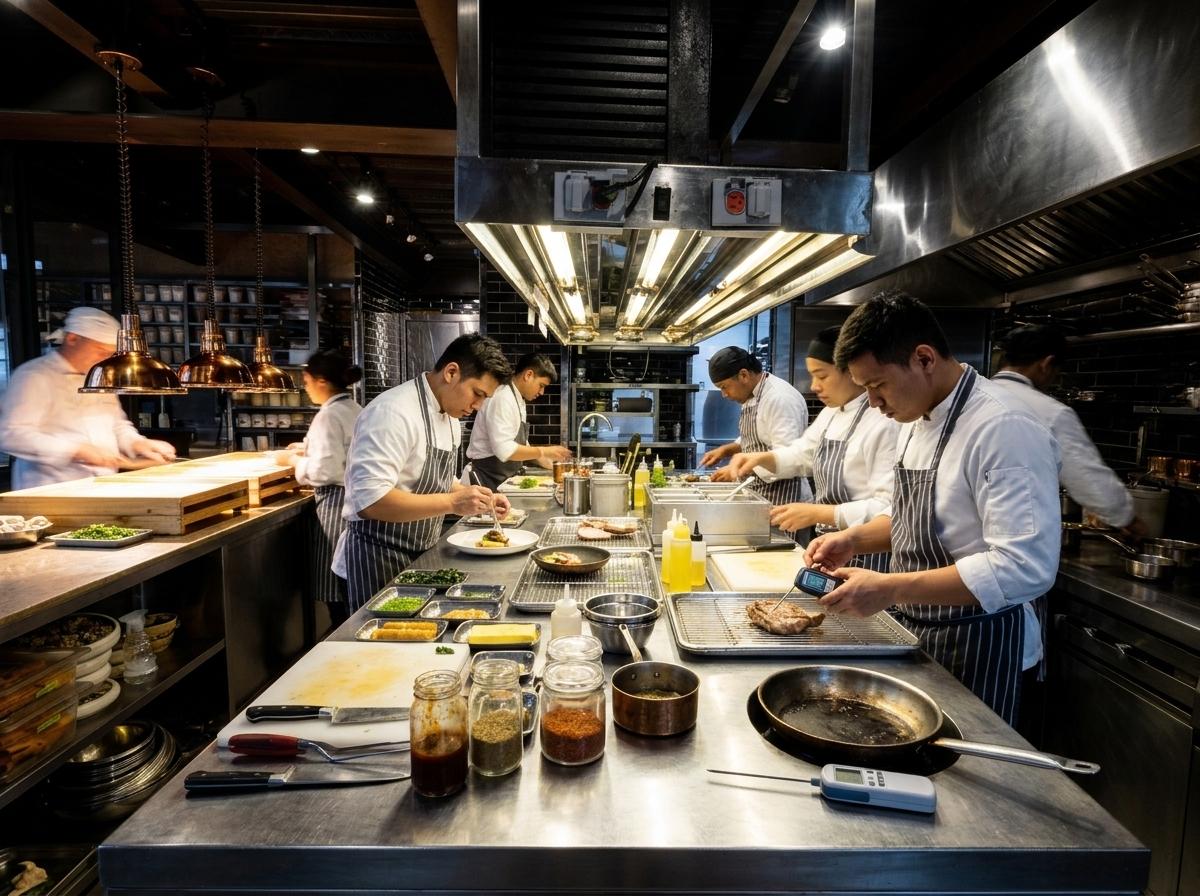
Navigating peak service times requires specific strategies to maintain safety and consistency. Time-temperature control and cross-contamination prevention are two vital areas to focus on.
Time-Temperature Control for Safety
During busy periods, keeping food at safe temperatures is challenging yet crucial. Improper temperature control can lead to bacterial growth, compromising food safety. Maintaining rigorous checks ensures food remains within safe limits, reducing the risk of foodborne illnesses.
Implementing time-temperature control involves using calibrated thermometers and conducting regular checks. This ensures that all food is stored, cooked, and served at the right temperatures. Consistent monitoring prevents the growth of harmful bacteria, safeguarding your customers’ health.
Cross-Contamination Prevention
Cross-contamination is a major concern, especially during peak times when staff may rush. Preventing it requires clear protocols and diligent implementation. Training your team to use separate equipment for different food types can make a significant difference.
Proper cleaning and sanitising of surfaces and utensils reduce the chances of contamination. Regular audits and reminders help keep these practices at the forefront, ensuring a safe environment for food preparation. For more information on equipping your team for food safety, explore this article.
Ensuring Ongoing Compliance and Improvement
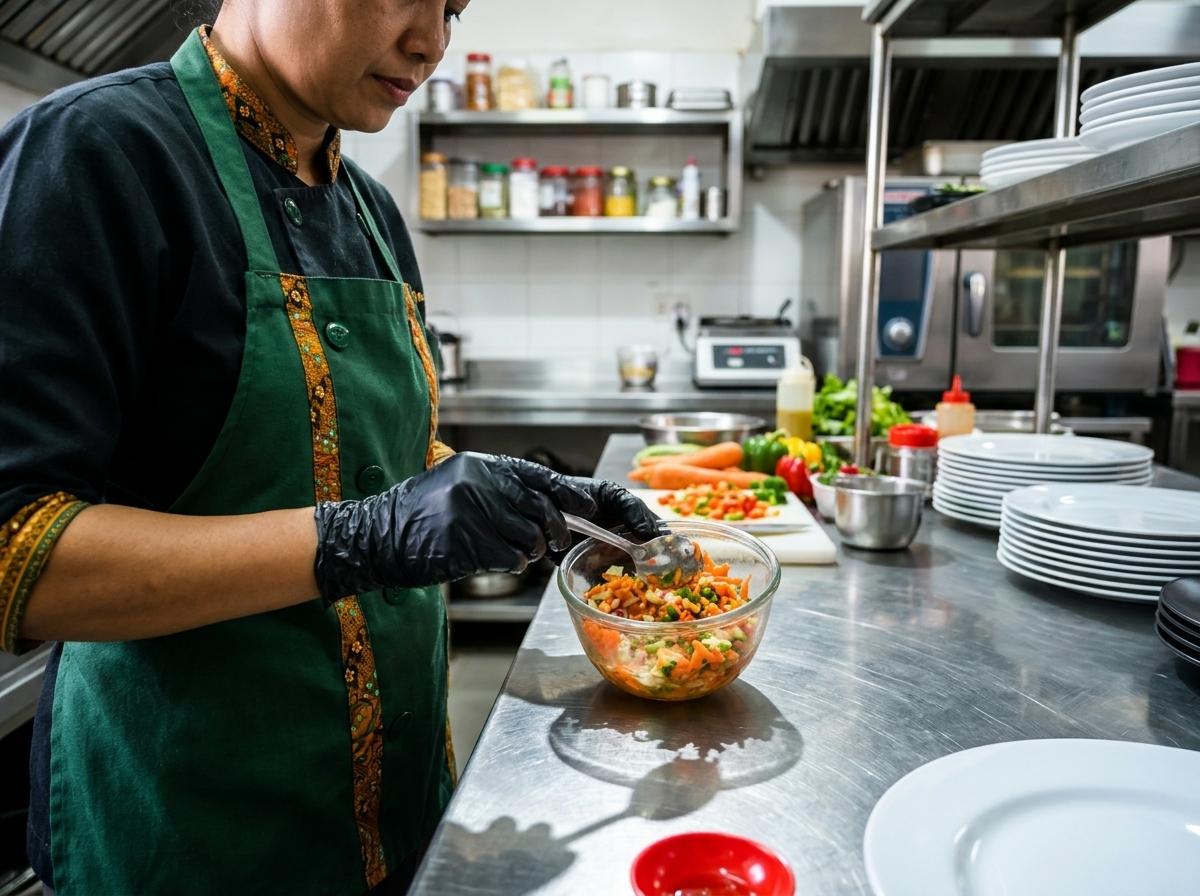
Long-term success in food safety requires regular audits and continuous staff development. These elements ensure your system remains effective and up-to-date.
Conducting Internal Audit Programmes
Internal audits provide insights into your food safety program’s effectiveness. By regularly assessing your operations, you can identify areas for improvement and ensure compliance. These audits help maintain high standards and prepare for external evaluations.
An audit should focus on reviewing procedures, checking records, and observing practices. This comprehensive approach highlights strengths and reveals any weaknesses. Addressing these promptly keeps your business compliant and reduces safety risks.
Staff Training and Competency Development
Ongoing training is key to maintaining a competent team. Regular refreshers on safety protocols ensure your staff are knowledgeable and prepared. Tailoring training to address specific challenges in your kitchen can enhance effectiveness.
Developing competency involves practical sessions and assessments. This hands-on approach helps staff apply what they learn in real situations, boosting confidence and capability. Consider implementing these strategies to keep your team sharp and your operations safe.
Frequently Asked Questions
What is HACCP verification?
HACCP verification is a process of ensuring that the HACCP plan is correctly implemented and effective. It involves regular checks and documentation to confirm that critical control points are being monitored and managed properly.
Why is time-temperature control important in food safety?
Time-temperature control is crucial because it prevents food from reaching temperatures where bacteria can grow. Keeping food out of the danger zone (5°C to 60°C) reduces the risk of foodborne illnesses.
How can cross-contamination be prevented during peak service times?
Preventing cross-contamination involves using separate equipment and utensils for different food types, thorough cleaning, and clear staff protocols. Training and regular reminders help maintain these practices even during busy times.
What role do internal audits play in food safety?
Internal audits help identify strengths and weaknesses in your food safety system. They ensure compliance with standards and prepare your business for external audits, reducing risks and improving overall safety.
How can staff training improve food safety compliance?
Staff training keeps your team informed about safety protocols and best practices. Practical training sessions and regular assessments ensure that staff apply their knowledge effectively, maintaining high safety standards.