






Most food safety systems crumble when the kitchen hits peak service. You’ve invested time and resources into your Food Safety Program (FSP), but does it hold up when orders flood in and pressure mounts? This post outlines how to build a practical, HACCP-based food safety system that stays compliant and effective under real trade conditions—ensuring your team keeps control when it matters most. Read more about building a strong food safety culture here.
Designing a Practical Food Safety System
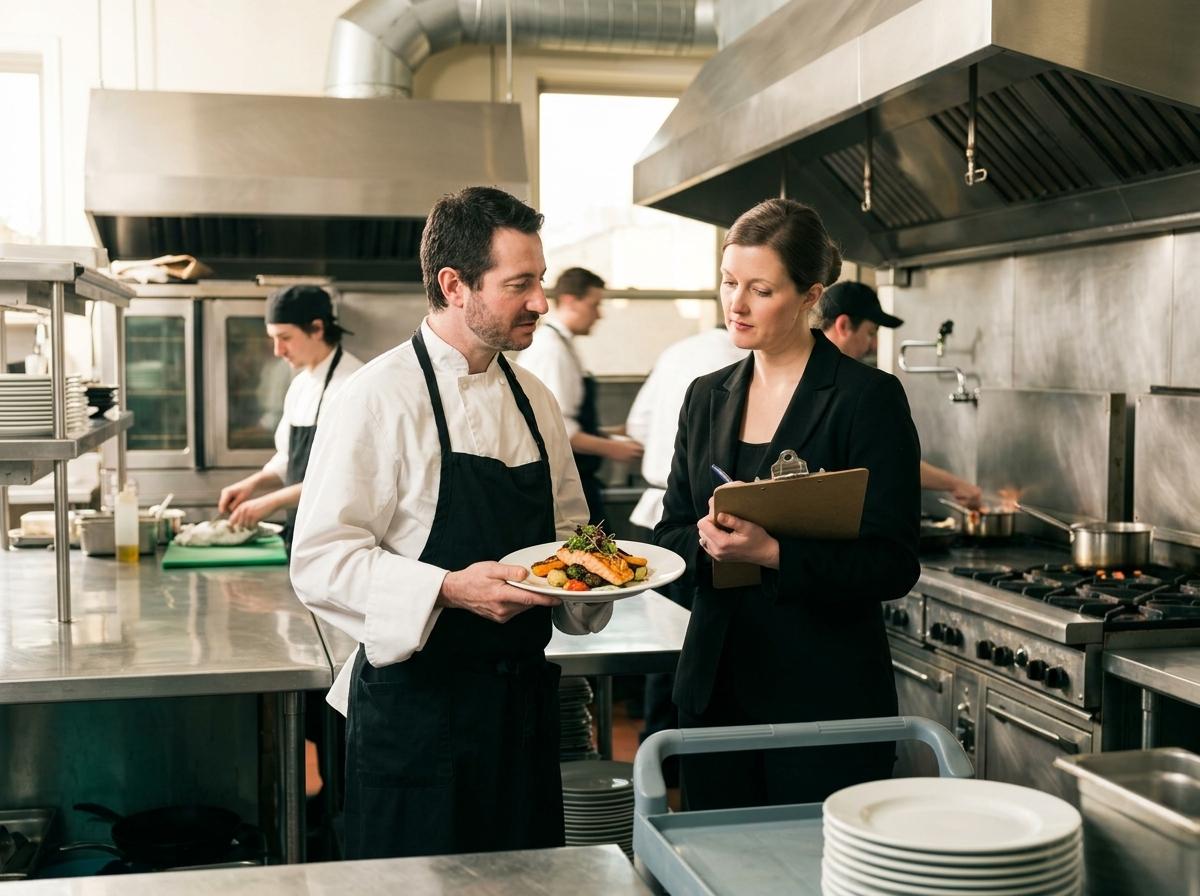
Establishing a practical food safety system is vital in today’s fast-paced hospitality environment. It requires a robust foundation, effective verification, and the ability to handle real service pressures.
Building a Robust FSP
To create a solid Food Safety Program (FSP), you need a clear, structured plan. Start by identifying the specific needs of your operation. What are the critical control points? Ensure that your team understands each step and their role in maintaining safety.
Developing a robust FSP involves continuous training and updates. Regularly review your procedures and make adjustments as necessary. Emphasize the importance of compliance with regulations. With a strong FSP, you reduce risks and prepare your team for peak times.
Implementing HACCP Verification
HACCP verification is crucial for ensuring your food safety system is functioning as intended. This process involves regular checks and maintenance to confirm that critical limits are met. Use tools like temperature logs and audit trails to track compliance.
Verification also means responding quickly to deviations. Train your staff to recognize issues and take corrective actions immediately. A well-verified system boosts confidence in your operations, ensuring safety and compliance.
Managing Real Service Pressure
Handling service pressure requires more than just a good plan; it’s about execution. Prepare by having clear protocols and a trained team ready for peak periods. Consider the flow of your kitchen: Is it designed to handle rushes efficiently?
During peak times, teamwork becomes crucial. Ensure communication lines are open, and roles are clear. Practice emergency scenarios to keep everyone alert. With preparation and practice, your team can manage pressure without compromising safety.
Key Components of a Food Safety Program
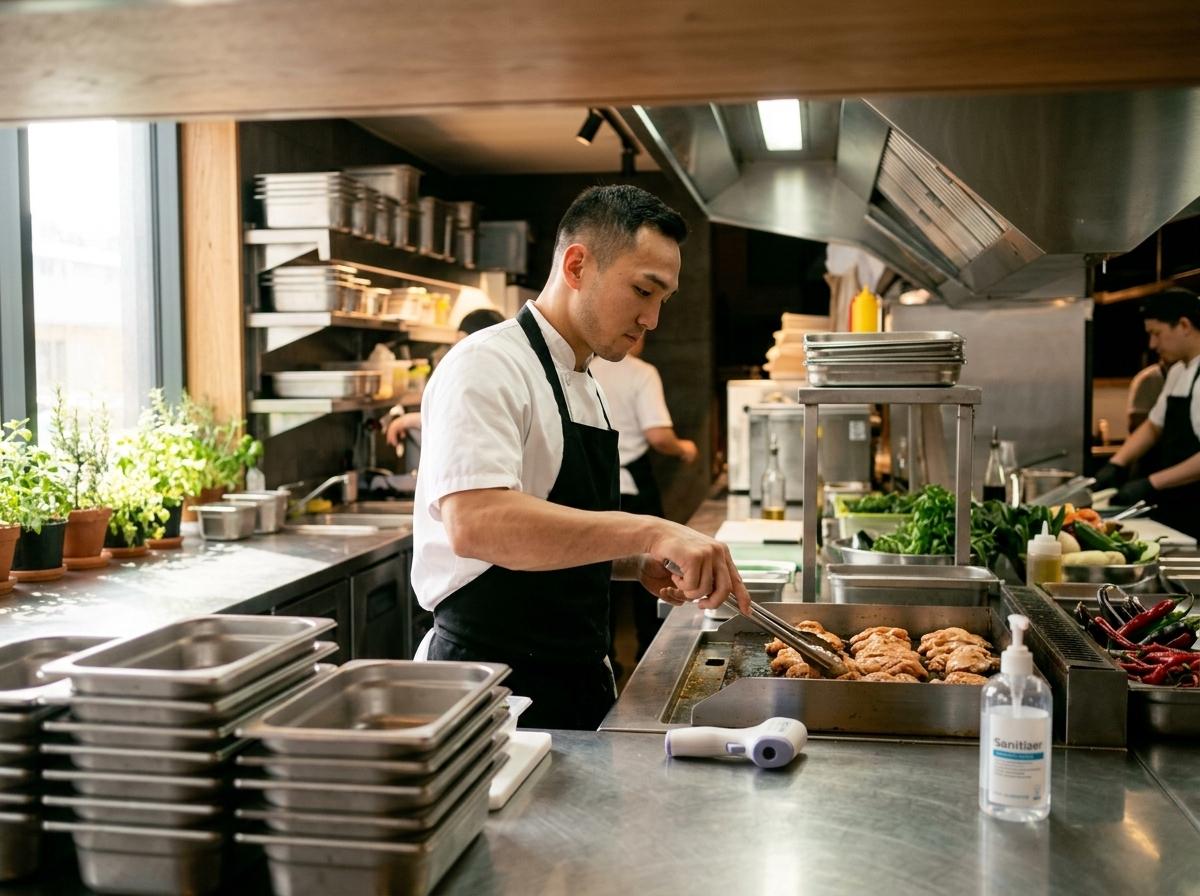
A comprehensive food safety program includes several key components. Each plays a crucial role in ensuring the safety and quality of your food products.
Effective Allergen Management
Allergen management is a top priority. Start by identifying common allergens in your ingredients and menu items. Keep this information accessible and up to date. Your staff should be trained to handle allergens safely and communicate clearly with customers.
Preventing cross-contamination is critical. Designate specific areas and tools for allergenic foods. Use labels and signs to minimize risks. By managing allergens effectively, you ensure a safe dining experience for all guests.
Supplier Approval and Monitoring
Your suppliers are integral to your food safety system. Establish a thorough approval process and select suppliers who meet your standards. Regularly review and audit their practices to ensure ongoing compliance.
Monitoring your suppliers involves more than just initial checks. Keep an open line of communication and address any concerns promptly. Building strong relationships with reliable suppliers can enhance your overall food safety efforts.
Pest Management in Hospitality
Pest management is essential to maintaining a sanitary environment. Develop a pest control plan that includes regular inspections and preventive measures. Work with professionals to implement effective strategies tailored to your facility.
Train your staff to recognize signs of pest activity and report them immediately. Keeping a clean and organized workspace helps deter pests. Effective pest management protects your reputation and ensures a safe dining environment.
Ensuring Compliance During Peak Trade
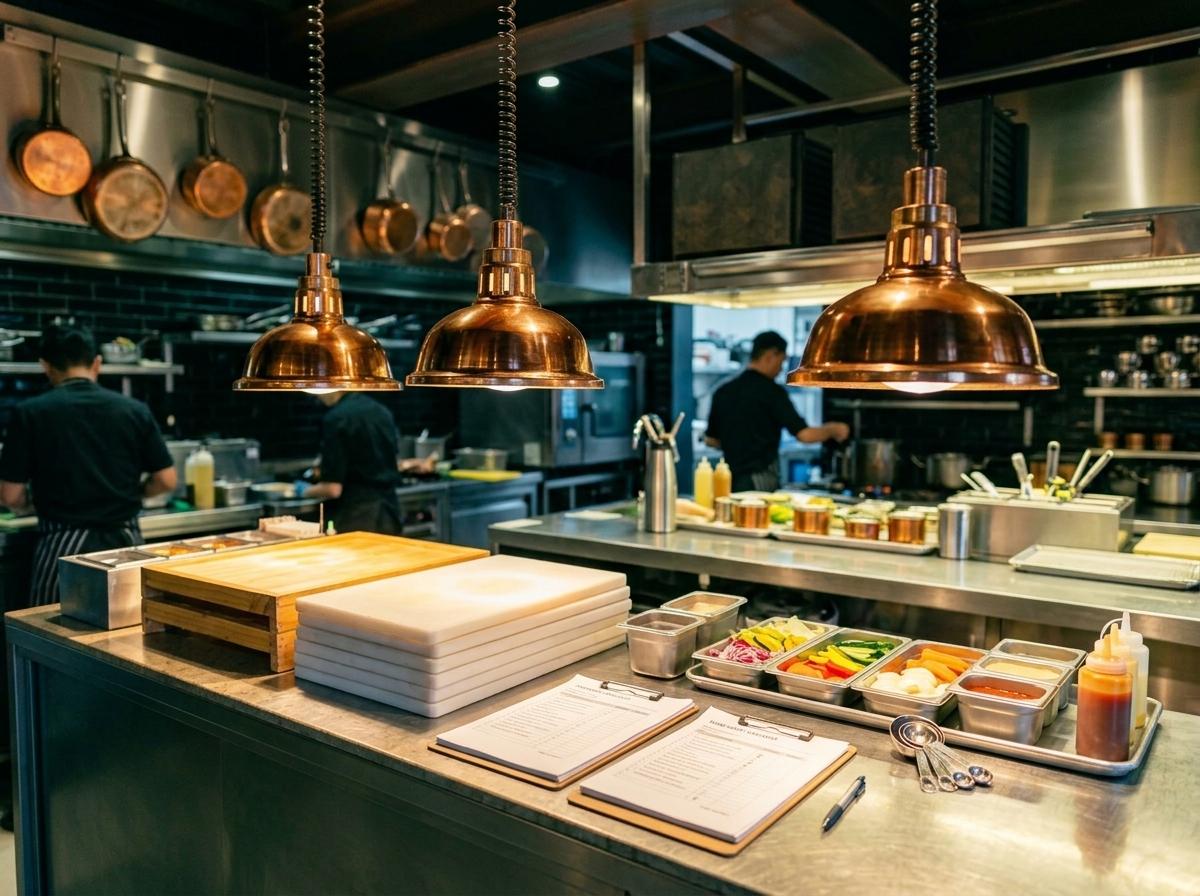
Maintaining compliance during busy times requires careful planning and execution. Key areas to focus on include equipment calibration, cleaning schedules, and verification processes.
Calibration of Probes and Equipment
Regular calibration of probes and equipment is vital. Ensure all tools are accurate and functioning correctly. Schedule routine checks and calibrations to prevent inaccuracies that could jeopardize food safety.
Providing staff with proper training on equipment use and maintenance reduces errors. Proper calibration ensures that your safety measures are reliable and effective.
Maintaining Cleaning and Sanitation Schedules
A clean environment is crucial for safety. Develop a cleaning schedule tailored to your operation’s needs. Assign specific tasks to each team member and ensure they understand the importance of maintaining these standards.
Regular audits of your cleaning processes can identify areas for improvement. Keep records of cleaning activities to ensure accountability. Consistent sanitation practices safeguard both your guests and your team.
Verification and Validation Processes
Verification and validation are ongoing processes that confirm your system’s effectiveness. Implement regular checks and audits to ensure compliance with your FSP. Use data from these activities to make informed improvements.
Validation involves assessing whether your safety measures achieve the desired outcomes. Engage in continuous improvement to adapt to changes and improve your system. Reliable verification and validation processes strengthen your overall safety strategy.
Frequently Asked Questions
What is a Food Safety Program (FSP)?
A Food Safety Program (FSP) is a structured plan outlining how a business ensures the safety and quality of its food products. It includes procedures for handling, preparing, and storing food to prevent contamination and foodborne illnesses.
How often should equipment calibration be conducted?
Equipment calibration should be conducted regularly, depending on usage and manufacturer recommendations. Routine checks help ensure accuracy and reliability, essential for maintaining food safety standards.
Why is allergen management important in hospitality?
Allergen management is crucial because it protects guests with food allergies from potential harm. By effectively managing allergens, you ensure a safe dining experience and build trust with your customers.
What role do suppliers play in a food safety system?
Suppliers provide the raw materials necessary for food preparation. Choosing reliable suppliers and regularly auditing their practices help ensure that the ingredients meet safety and quality standards.
How can pest management be effectively implemented in hospitality?
Effective pest management involves regular inspections, preventive measures, and staff training. Working with pest control professionals to develop a tailored plan can help maintain a pest-free environment.