






Most food safety systems crumble when the real pressure hits during peak service. You’ve invested in a Food Safety Program (FSP) Australia trusts, but does it hold up when the kitchen is at full throttle? This guide shows you how to design and maintain a FSANZ Standard 3.2.2A–compliant system that stays reliable under the busiest conditions, with expert insights from an approved Queensland Health auditor. Learn more about ensuring your food safety plan can withstand the busy season.
Building a Resilient Food Safety System

Creating a strong food safety system is vital for thriving during peak business. Here’s how to make your Food Safety Program (FSP) effective and compliant with FSANZ standards.
Essential Components for Success
A reliable food safety system begins with understanding key components. You need a well-structured plan that includes clear guidelines, staff training, and regular assessments.
Training your staff is essential. Everyone should know the importance of safety rules and how to follow them. Regular check-ins help reinforce these practices. In addition, keeping comprehensive records ensures consistency and accountability.
Consider leveraging external resources. Independent audits can offer valuable insights into your system’s strengths and weaknesses. These audits can highlight areas for improvement, helping you maintain a robust safety program.
Navigating FSANZ Standard 3.2.2A Requirements
Understanding FSANZ Standard 3.2.2A is crucial for compliance. This standard outlines key food safety practices you must follow.
First, conduct a thorough review of current protocols. Identify gaps in your processes that could lead to non-compliance. Make necessary adjustments to align with FSANZ guidelines.
Second, establish a clear communication channel within your team. Everyone should be aware of the standards and their role in maintaining them. This way, your team can work together effortlessly to meet all requirements.
Finally, consider engaging a Queensland Health approved auditor. They can provide expert guidance on meeting FSANZ standards effectively.
High-Volume Service Compliance Strategies
To handle high-volume service## Building a Resilient Food Safety System
A solid foundation is essential in food safety. Here’s how to establish key components for a system that thrives under pressure.
Essential Components for Success
A reliable food safety system begins with understanding your kitchen’s unique needs. Focus on three core areas: staff training, clear processes, and regular reviews.
- Staff Training: Equip your team with the knowledge to tackle real service challenges. Training should cover basics like handwashing and advanced topics like allergen management in Australia.
- Clear Processes: Documented procedures ensure consistency. From receiving goods to serving meals, every step should have a clear guideline.
- Regular Reviews: Periodic checks help catch issues early. Adjust processes based on what these reviews uncover.
Navigating FSANZ Standard 3.2.2A Requirements
Understanding FSANZ 3.2.2A is crucial. This standard outlines the necessary practices to ensure food safety across Australia.
- Documentation: Keep thorough records of all procedures and incidents. This not only aids compliance but helps in identifying patterns and areas for improvement.
- Training: Compliance isn’t just about having a system; it’s about everyone understanding and following it. Regular training ensures your staff is up-to-date.
- Inspections: Frequent internal inspections help you stay compliant. These should mimic formal audits to prepare your team and systems.
High-Volume Service Compliance Strategies
Busy times test your system’s resilience. Here’s how to maintain compliance during peak periods.
- Streamlined Procedures: Simplify processes where possible. Complex systems falter under pressure.
- Real-time Monitoring: Use tools to monitor food safety metrics like temperature control. Immediate alerts can prevent small issues from escalating.
- Rapid Response: Develop a quick response plan for any issues. Speed is critical when resolving problems during high volume service.
Implementing HACCP and Verification Processes

HACCP is your backbone. Let’s explore how to structure an effective verification process.
The Role of Third-Party Food Safety Audits
External audits provide an unbiased view. They highlight areas you might miss.
- Credibility: A third-party audit offers credibility. Partnering with a Queensland Health approved auditor gives your system a seal of trust.
- Fresh Perspective: Auditors bring new eyes to your processes. They can spot weaknesses, offering targeted solutions.
- Enhanced Trust: Customers trust businesses that undergo regular, independent audits. It shows commitment to safety.
Comprehensive Risk Assessment and CCPs
Identifying risks is vital. Every kitchen has critical control points (CCPs) to focus on for safety.
- Identify Risks: Assess each area of your operation for potential hazards. This includes food storage, preparation, and service.
- Prioritize CCPs: Not all risks are equal. Focus on the most critical points that could lead to serious safety breaches.
- Ongoing Assessment: Risks evolve. Regularly review and update your CCPs to reflect any changes in your operations.
Effective Temperature Control Monitoring
Temperature control is a key factor in food safety. Monitoring can prevent spoilage and contamination.
- Consistent Checks: Implement regular temperature checks at key stages: receiving, storage, preparation, and service.
- Automation Tools: Use digital thermometers and monitoring systems for accuracy. These provide real-time data and alerts.
- Documentation: Keep records of temperature checks. This helps in compliance and identifies trends needing attention.
Ensuring Compliance Through Continuous Improvement
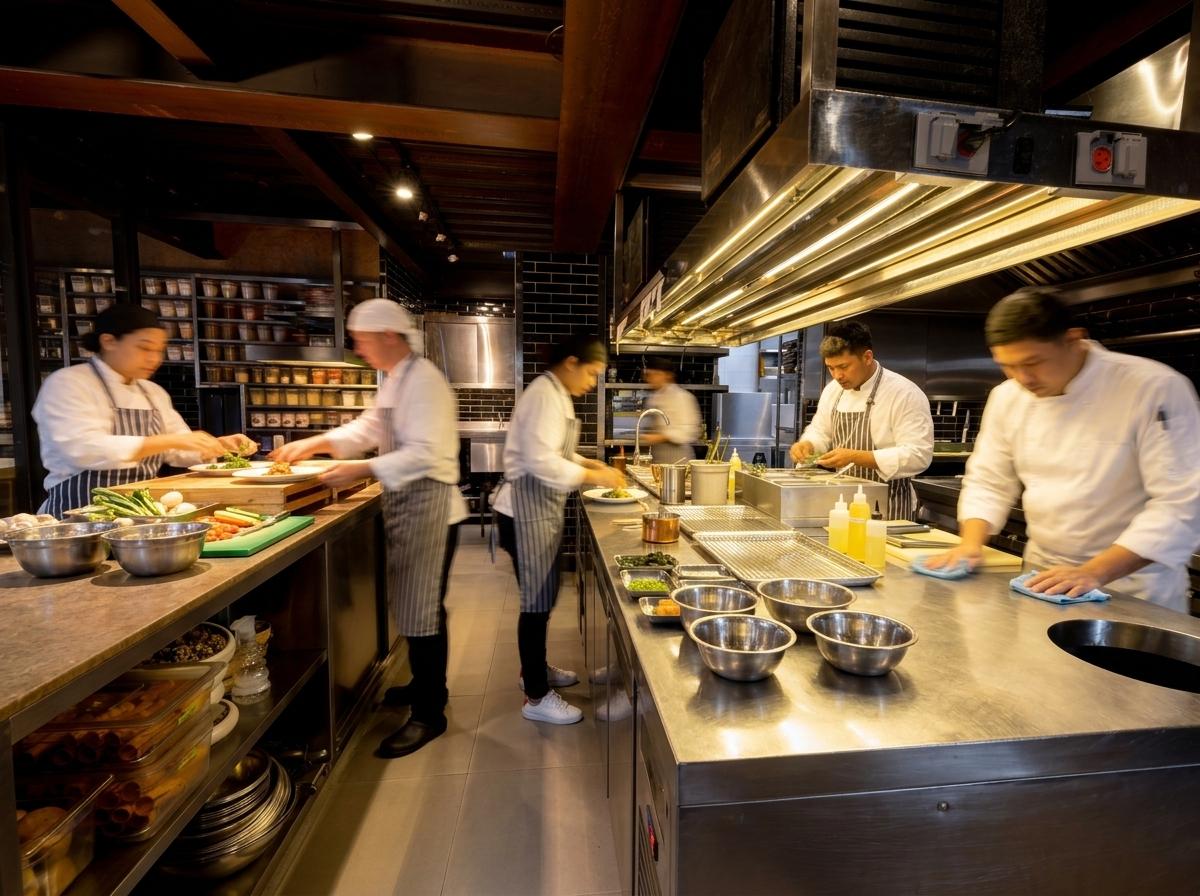
Continuous improvement keeps your system robust. Let’s see how corrective actions, digital records, and mystery shopping help.
Importance of Corrective Actions and Verification
Corrective actions are how you address identified issues. They ensure that problems are fixed, not ignored.
- Immediate Action: When a problem is identified, act quickly. Delays can lead to bigger issues.
- Verification: After implementing corrective actions, verify their effectiveness. This ensures the problem is truly resolved.
- Documentation: Record corrective actions and verifications. This documentation is essential for audits and reviews.
Leveraging Digital Food Safety Records
Digital records streamline your operations. They make monitoring and compliance easier.
- Accuracy: Digital records reduce errors that come with manual entries. They provide a more accurate picture of your operations.
- Accessibility: With digital systems, records are easy to retrieve. This aids in audits and day-to-day management.
- Efficiency: Automating record-keeping saves time, allowing your team to focus on service quality.
Enhancing Brand Standards with Mystery Shopping
Mystery shopping evaluates your service from a customer’s perspective. It ensures your brand standards are met.
- Objective Insights: Mystery shoppers provide unbiased feedback. They evaluate if your service aligns with brand promises.
- Identify Gaps: Discover gaps in service or compliance you might not see from the inside.
- Improvement Plan: Use insights to create actionable plans for enhancing service quality and compliance.
Frequently Asked Questions
What is FSANZ Standard 3.2.2A?
FSANZ Standard 3.2.2A outlines the food safety practices required in Australia. It ensures safe food handling from preparation to serving.
How do third-party food safety audits work?
Third-party audits involve an external review of your food safety systems. They provide an unbiased assessment, identifying strengths and areas for improvement.
Why is temperature control crucial in food safety?
Temperature control prevents the growth of harmful bacteria. It ensures food is stored, prepared, and served at safe temperatures.
What role do digital food safety records play?
Digital records enhance accuracy and accessibility. They simplify compliance by automating documentation and making records easy to access.
How can mystery shopping improve compliance?
Mystery shopping evaluates service from a customer’s viewpoint. It identifies gaps in service and compliance, aiding in continuous improvement.