






Most food safety systems falter when the heat is on during peak service. You know the stakes: one slip with critical control points or temperature control logs can cost reputation and compliance. This blueprint aligns with FSANZ Food Standards Code, showing you how to build a Food Safety Program that holds firm under real pressure. Keep reading to secure your operation before the busiest season hits. For more insights, visit this resource.
Building a Resilient Food Safety System

Your food safety system needs to be strong to withstand service pressure. It starts with a firm understanding of the FSANZ Food Standards Code and extends to identifying key safety points and maintaining control logs.
Understanding FSANZ Food Standards Code
The FSANZ Food Standards Code forms the backbone of your food safety efforts. It’s crucial to know that this code outlines what is necessary to ensure food safety in Australia and New Zealand. It comprises several standards, including Standard 3.2.2A and Standard 3.2.3, which focus on food safety practices. These standards ensure that food businesses operate in a way that reduces food safety risks. Regularly updating your knowledge of these standards helps maintain compliance and improve your system’s effectiveness.
Identifying Critical Control Points
Pinpointing critical control points (CCPs) is a vital step in safeguarding your operation. CCPs are stages in your food handling process where hazards can be prevented, removed, or reduced to safe levels. By identifying these points, you can implement controls to mitigate risks. For example, cooking food to the correct temperature is a CCP that ensures harmful bacteria are killed. Monitoring these points closely and consistently is essential for a reliable food safety system.
Implementing Temperature Control Logs
Temperature control logs are your best friends when it comes to maintaining food safety. These logs track the temperatures of food items at various stages, ensuring they remain within safe limits. Keeping detailed logs helps in identifying any deviations early, allowing for corrective actions to be taken before issues arise. By maintaining thorough temperature records, you uphold food safety and avoid potential compliance issues.
Designing a Robust Food Safety Program
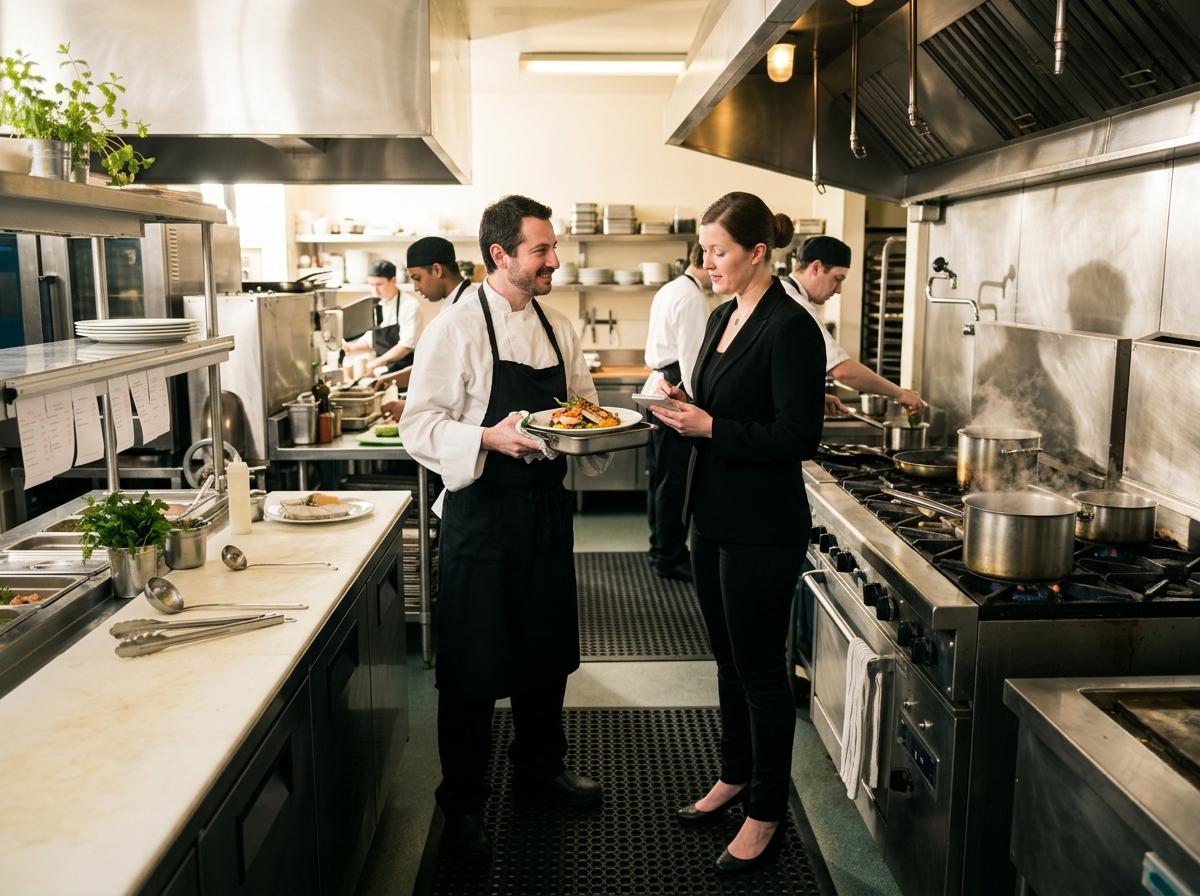
Creating a solid food safety program involves more than just compliance. It requires attention to allergens, traceability, and supplier protocols to ensure a comprehensive approach.
Developing Allergen Management Procedures
Allergens pose significant risks, so having robust management procedures is essential. Start by identifying allergens present in your menu items. Training staff on proper handling and communication of allergens is crucial. Clear labeling and avoiding cross-contact are key practices to prevent allergic reactions. Regular reviews of your allergen management procedures help to keep them updated and effective.
Ensuring Traceability and Recall Effectiveness
Traceability allows you to track and trace food products throughout the supply chain. It is crucial for quickly identifying and removing any potentially harmful products. Having an effective recall plan in place ensures you can act swiftly if a problem arises. This plan should include clear communication with suppliers, customers, and regulatory bodies. Regularly testing your recall procedures ensures they remain effective and efficient.
Implementing Supplier Approval Protocols
Supplier approval protocols are fundamental to ensuring the quality and safety of ingredients. Begin by assessing potential suppliers for compliance with food safety standards. Conduct regular audits to ensure ongoing adherence to these standards. Developing strong relationships with trusted suppliers helps mitigate risks and maintain consistency in your food safety program.
Preparing for Peak Service Pressure
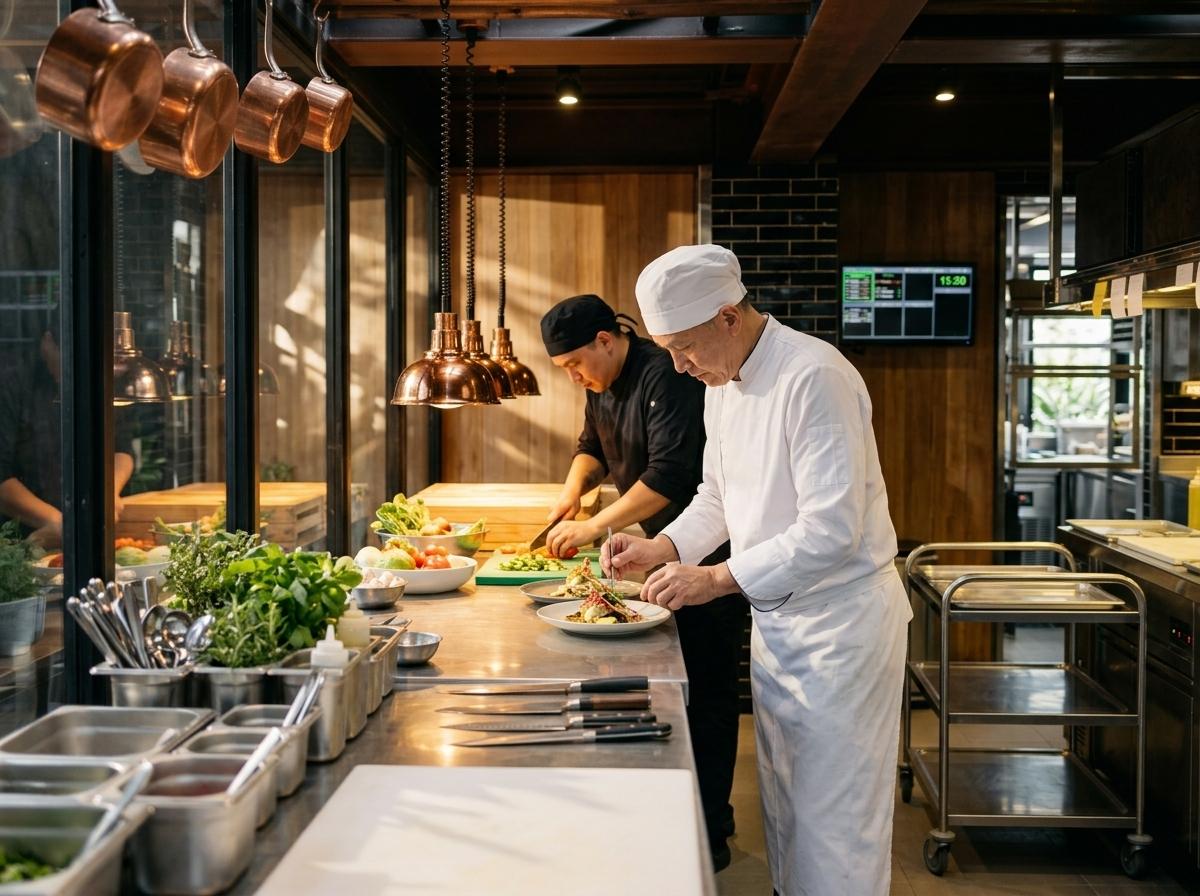
As you gear up for peak service periods, internal audits, equipment checks, and readiness audits become crucial components of your strategy.
Conducting Internal Audits and Verifications
Internal audits are essential for evaluating your food safety practices. They help identify areas of improvement and ensure compliance with standards. Conducting regular audits provides confidence that your systems are functioning effectively. It also allows you to address potential issues before they impact your operations.
Calibration and Monitoring of Equipment
Ensuring equipment is properly calibrated and monitored is vital. Calibration guarantees that equipment is functioning correctly, providing accurate measurements and ensuring food safety. Regular monitoring and maintenance of equipment prevent breakdowns and improve efficiency during peak service times. Keeping a schedule for equipment checks helps maintain their reliability and performance.
Corrective Actions and Pre-peak Readiness Audit
Being prepared for peak service involves taking corrective actions and conducting a readiness audit. Corrective actions address any deviations identified during audits or monitoring. A pre-peak readiness audit helps ensure all systems are go before the busy period hits. This audit reviews staffing, equipment, and compliance levels to avoid surprises and maintain smooth operations.
Frequently Asked Questions
What are critical control points in food safety?
Critical control points are stages in the food handling process where hazards can be prevented, reduced, or eliminated. Identifying these points helps implement controls that ensure food safety.
Why is allergen management important in food safety?
Allergen management is crucial because it prevents allergic reactions, which can be severe or life-threatening. Proper handling, communication, and labeling of allergens help maintain a safe dining environment for all customers.
How do I ensure my food safety program is effective during peak service?
To ensure effectiveness during peak service, conduct internal audits, calibrate and monitor equipment, and perform a readiness audit. These steps help maintain compliance and prevent disruptions in service.
What is the role of temperature control logs in food safety?
Temperature control logs track food temperatures at different stages, ensuring they remain within safe limits. Keeping accurate logs helps identify deviations early and maintain food safety.
How can I improve supplier approval protocols for my food business?
Improve supplier approval protocols by assessing potential suppliers for compliance with standards, conducting regular audits, and maintaining strong relationships with trusted suppliers.